
Our technologies
ZeeWeed hollow fiber immersed MBR membranes
Ultrafiltration is a process that uses organic polymer membranes to filter particles by size and is typically used to separate or remove bacteria and macromolecules with molecular weights greater than approximately 300,000 daltons from wastewater in both municipal and industrial applications.

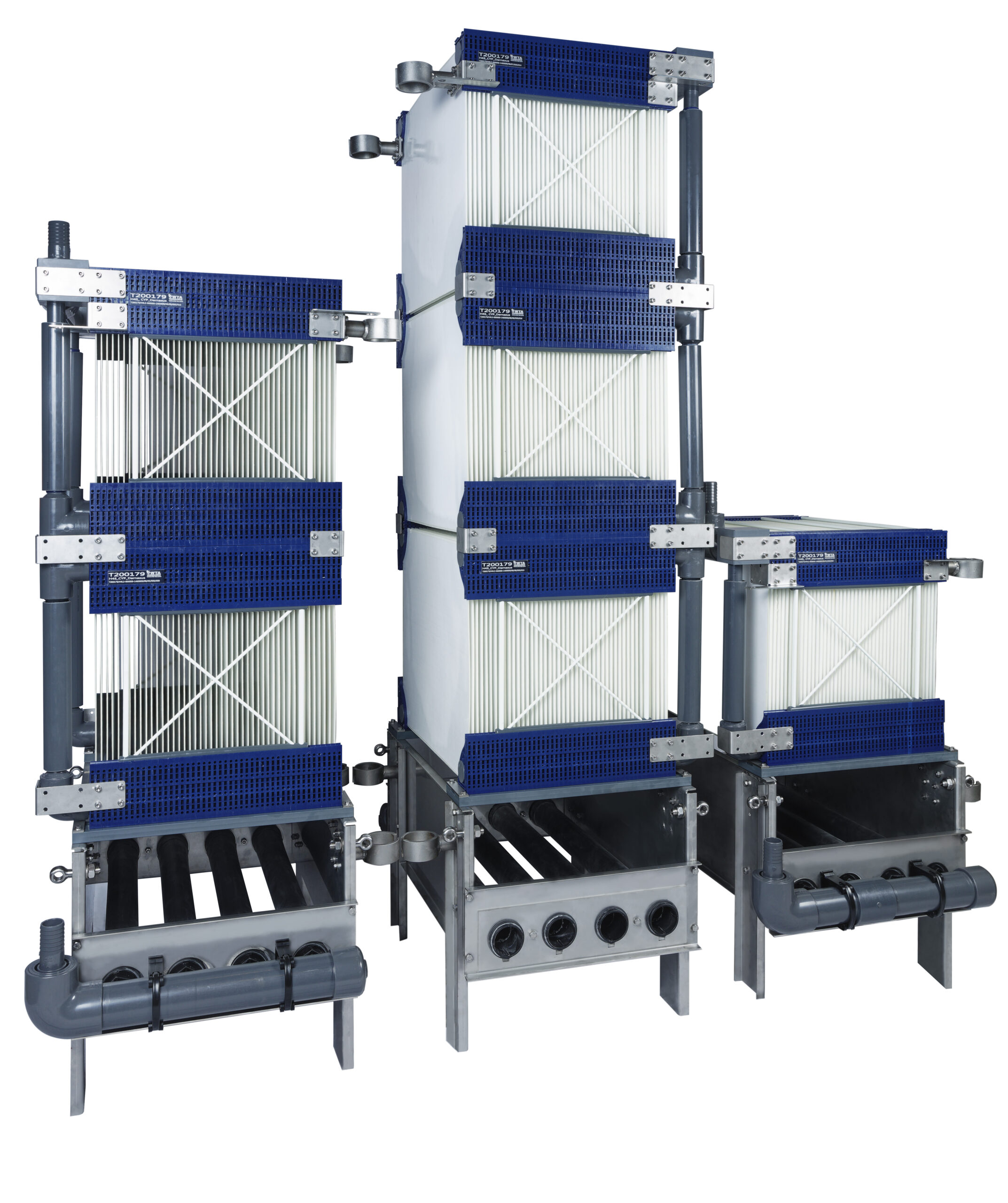
ZeeWeed UF submerged membranes
Another possible application of ZeeWeed organic polymeric membranes is in the production of drinking water from sea water/rivers/lakes etc., where a high level of control over the quality of the permeate intended for human consumption is necessary: ultrafiltration in this case it carries out a fundamental refinement treatment to remove suspended solids and bacteria before sending the water to the final polishing stage (activated carbon/UV) and then to the distribution network or RO sections (Reverse Osmosis).

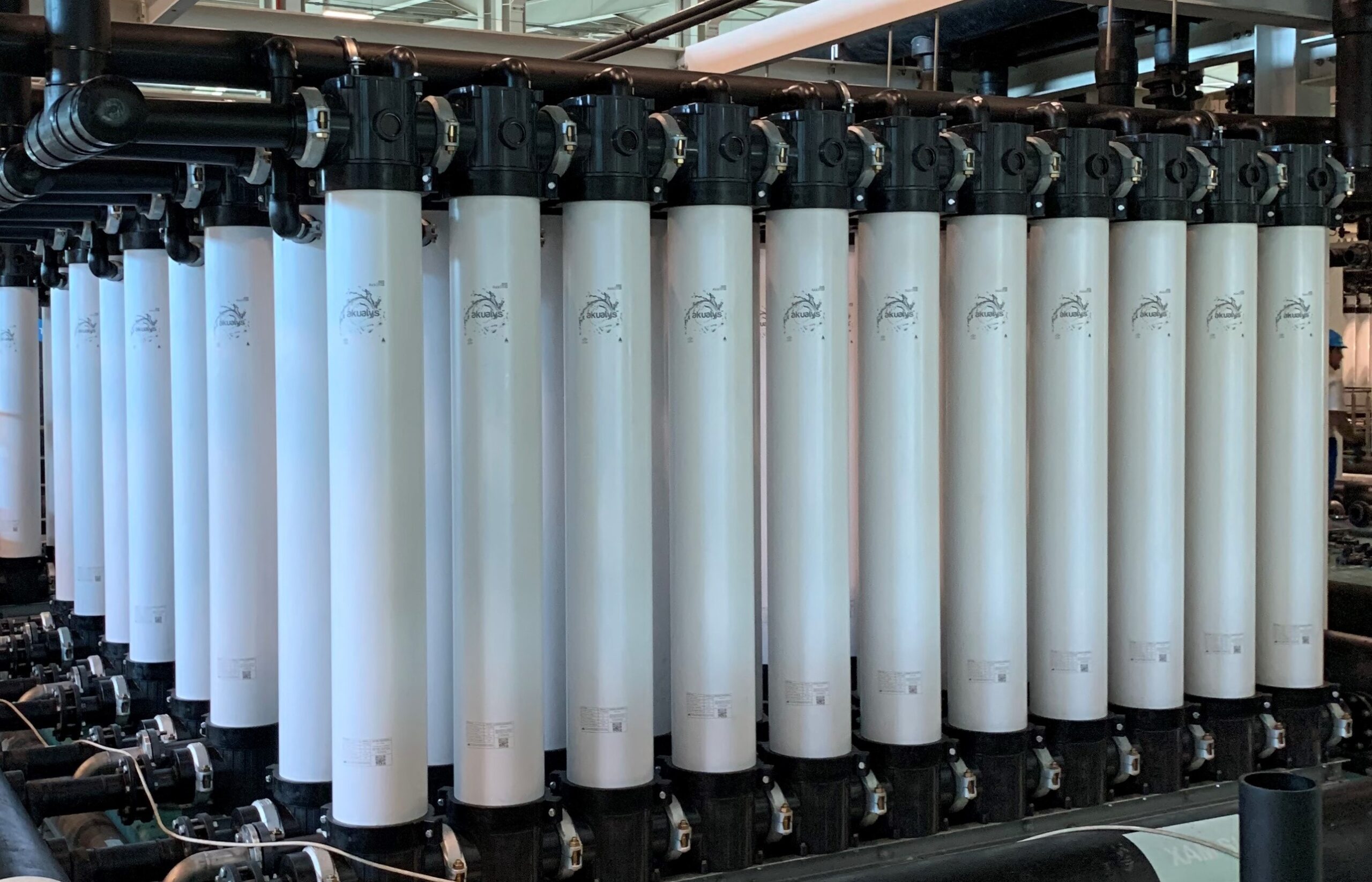
UF pressurized membranes
TT is the English acronym for Tertiary Treatement, i.e. a process whose ultrafiltration has the aim of removing bacteria and macromolecules downstream of a secondary sedimentation process. The application with pressurized membranes is usually used to obtain a very high quality permeate in anticipation of its reuse in agriculture, or for its return within industrial production cycles. The pressurized ZeeWeed® membranes are made of two different materials depending on the type of applications required, PVDF or PES.
Poreflon pressurized UF membranes
The Poreflon pressurized ultrafiltration devices are made up of hollow fiber membranes composed of PTFE (polytetrafluoroethylene, also known as Teflon) with an OUT-IN filtration mode. They are suitable for turbidity removal from industrial streams or for tertiary applications aimed at wastewater recovery in industrial and municipal treatment plants.
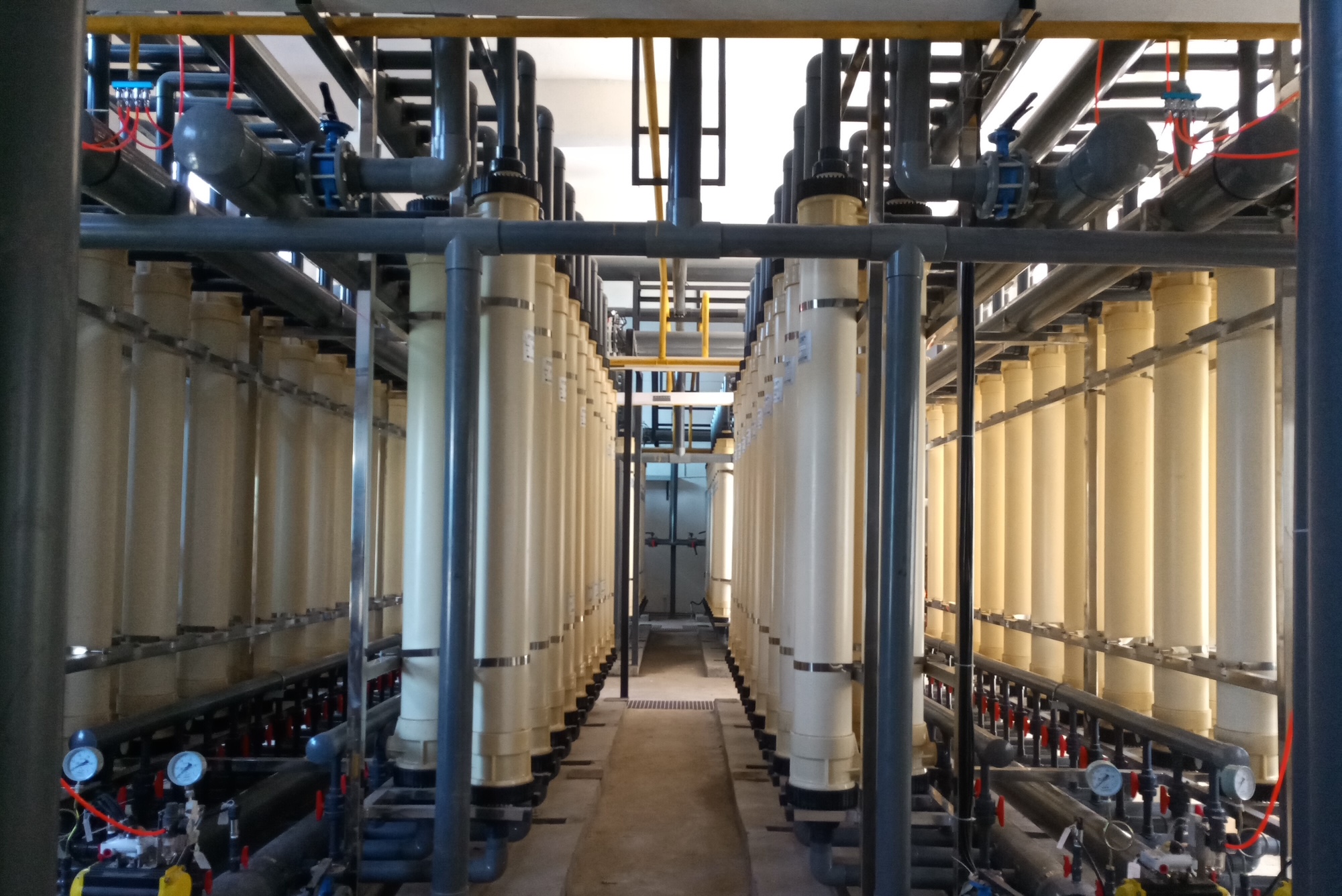

Reverse osmosis membranes
Reverse osmosis is a water purification process (reduction of salt content) which is achieved by reversing the direction of the osmotic flow, therefore forcing the water from the more concentrated solution to flow through the semi-permeable membrane towards the less concerted solution.
Process optimization and energy saving
Creapro® is an advanced control platform that manages and optimizes the treatment stages of a purification plant in real time based on a combination of mathematical models and advanced control logic that guarantee more effective system monitoring and directly measurable energy savings.


MABR ZeeLung aeration membranes
The English acronym MABR “Membrane Aerated Biological Reactor” defines a particular application of gas permeable membranes in the treatment of municipal wastewater based on the ability of organic biofilms to develop and grow adhering to the membranes which act at the same time as a support and device supply of the oxygen necessary for their reproduction.
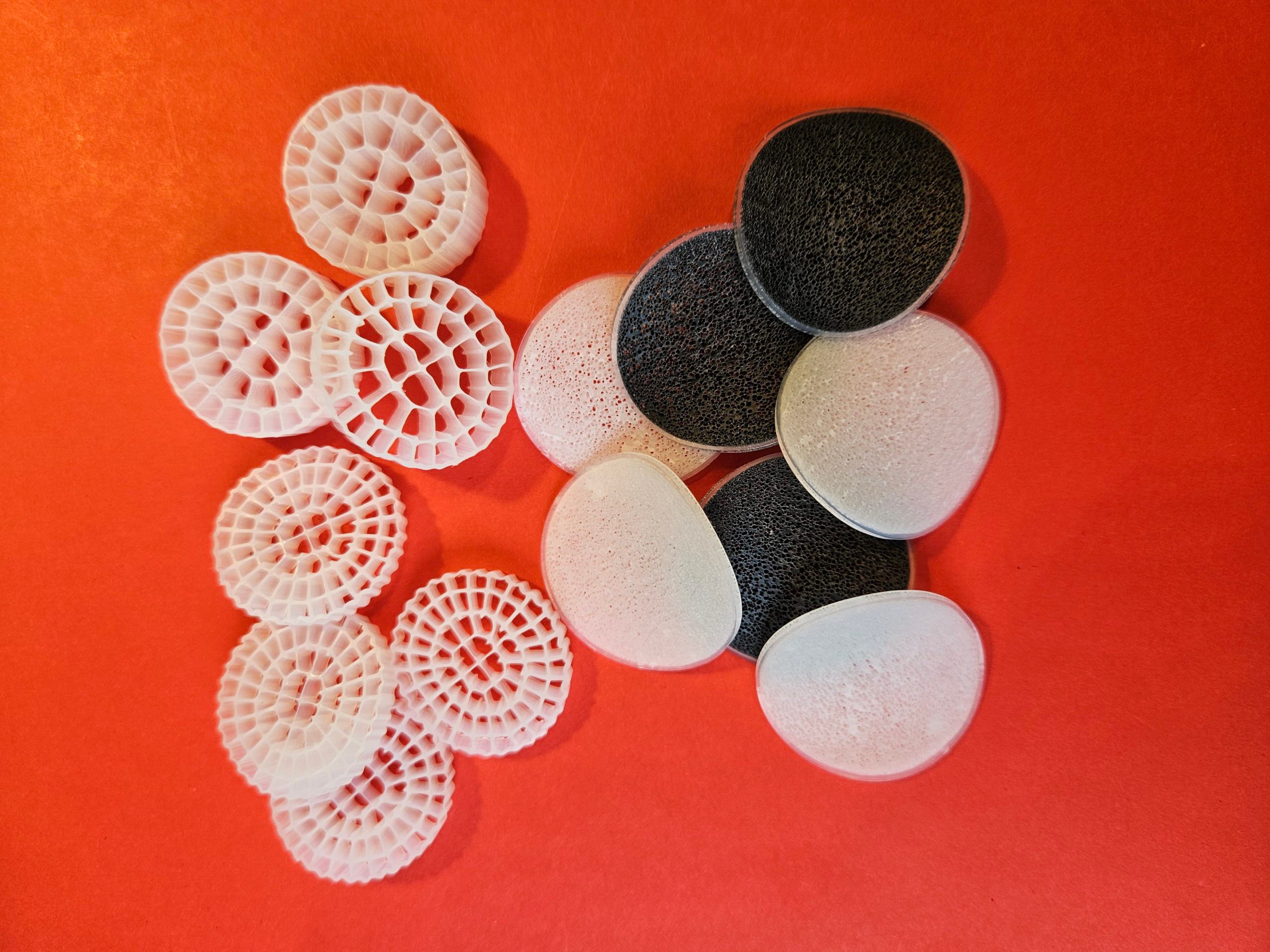
Biomedia for MBBR and IFAS
The attached biomass technology using moving carriers takes advantage of the ability of microbial colonies developed during the biological process to form a biofilm that grows attached to the surface of special plastic elements dispersed within the process volume.
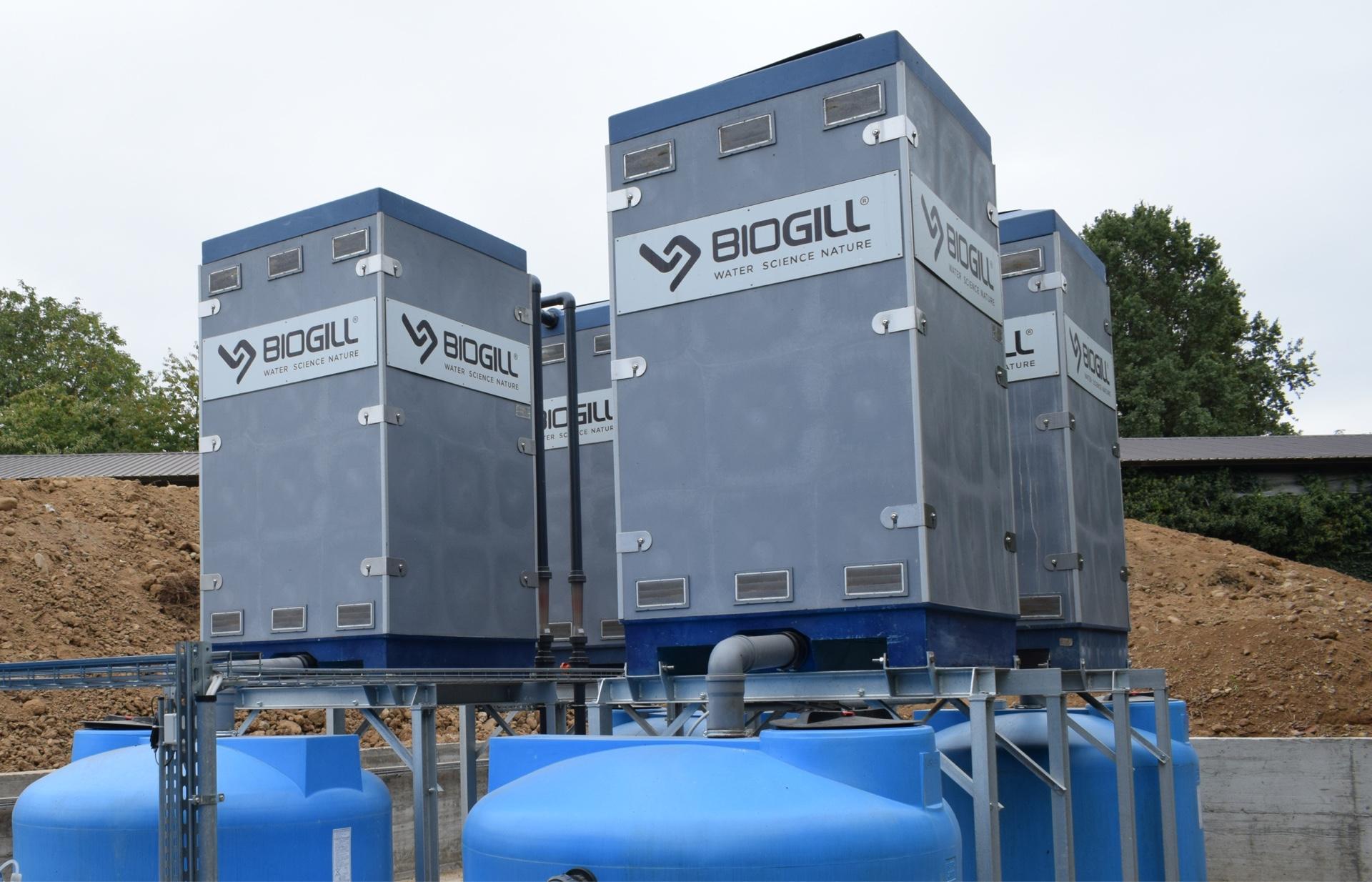
Trickling Towers with attached biomass
The technology takes its name from the gills of fish (gill in English means gill) because, as happens in many aquatic animals in which thanks to them, oxygen is transferred from the water to the fish’s organism, in the case of Biogill, the gill represented by a lamellar surface of nanomaterials acts as an exchange element capable of amplifying the transfer of oxygen from the atmosphere to the microorganisms responsible for the purification process.

Waterspin s.r.l.
Registered office: via Parini 96, 20064 Gorgonzola (MI), Italy
Tel. +39 02.9511419
Fax. +39 02.9511568
info@waterspin.net
www.waterspin.net
P. IVA: 04230040166
COMPANY
- Home
- Who we are
- Our partners
- Applications
- Company Policy
- Contacts
HELP
- Privacy policy
- Cookies policy